
Surgical orthodontics involves corrective jaw surgery alongside orthodontic treatment to remedy jaw problems. Because adults no longer grow, the only way to modify the size and shape of the person’s jawbones is through surgery.
First, for patients in need of orthodontic treatment, our orthodontists focus on aligning the teeth to fit correctly before the surgery is performed. Severe malocclusions, or bad bites, can cause long-term functional problems, such as the inability to speak, chew food, and can cause problems such as headaches, TMJ, and periodontal disease. Surgical orthodontics also can help treat obstructive sleep apnea.
At Burns Orthodontics, our process for surgical orthodontics involves collaboration between Dr. Burns, your dentist, and your oral and maxillofacial surgeon. Our orthodontists will first work with you to determine the severity of your condition and focus on realigning the teeth and palates for preparation of the surgery, which can take up to a year depending on the factors present. If surgery is needed, we will organize and work with a recommended oral and maxillofacial surgeon to perform the surgery. Your surgeon will schedule a consultation with you to explain the process and give you the necessary information needed to prepare for the upcoming surgery, including information related to recovery time and what to expect during the healing process.
After the surgery is complete over a period of nine to 12 months, our orthodontists will check in with you during the post-surgical phase, usually around four to eight weeks, to fine-tune your bite with braces. These braces will need to be worn during a six to 12 month period following the surgery, and then a retainer will be placed to help maintain proper jaw function and teeth alignment. For patients, the recovery after the procedures will produce a healthier, happier smile, as well as a decrease in jaw problems and breathing difficulties.
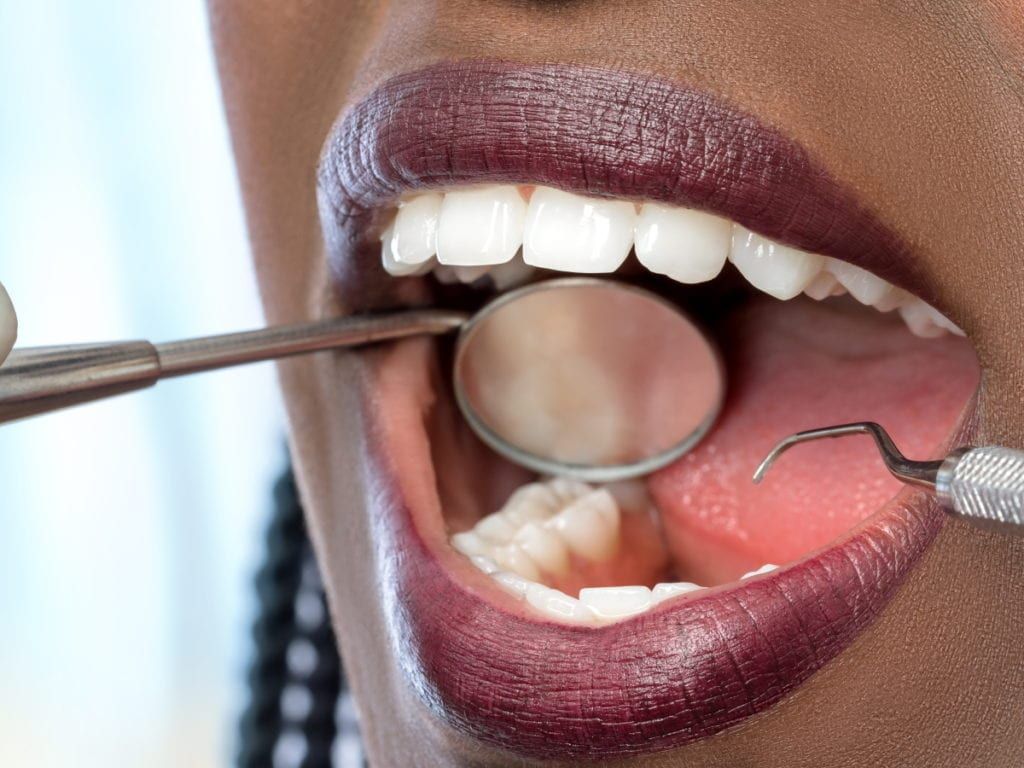
With any major surgery, there are risks. Common complications such as vascular disease, TMJ disorder, nerve damage, periodontal disease, and hearing problems may occur after the surgery. If you have any questions about the devices we prescribe during our treatment plans, please contact us, and we’ll be happy to help.
For some patients, the cause is genetic, meaning the jaw bones and joints grew out of position and causing problems with biting, speaking, and chewing. Other causes can come from congenital disabilities, jaw injuries, and other environmental causes.
Depending on the type of insurance coverage you have, your insurance may or may not cover surgical orthodontics. To find out whether or not you’re covered, check with your insurer regarding your policy’s coverage.
At our offices, located in McMurray, Mt. Lebanon, and Waynesburg, PA, we will discuss the overall diagnosis and analysis of your jaw and skeletal problems, provide treatment objectives, and give you treatment options with their risks and benefits. If you have any questions, please contact us and schedule an appointment today for a free consultation.
Metal braces come in mind for many people when it comes to teeth alignment. They’re a classic treatment that’s proven to work and is a highly reliable application that can also be comfortable and aesthetically appealing. While we offer a variety of braces and other orthodontic treatments, our metal braces are more than capable of helping you achieve the smile you desire. Learn about our practice and how our orthodontists can give you a classic, trendy, and effective treatment plan for your misaligned teeth.
Metal braces consist of metal brackets, wires, and elastic bands. The metal brackets are glued with a bonding agent to the enamel of your teeth. The brackets can be made with many materials, but for metal braces, they’re typically made with stainless steel. These brackets work like handles, holding the arch-wires and elastic bands, allowing them to reinforce the pressure needed to adjust your teeth over time. The arch-wires guide the teeth into position and the elastic bands hold the archwires in place to help support the movement of the teeth.
Depending on the design of the braces, additional components, such as spacers, springs, buccal tubes, and face-bow headgear, can be added to help align the teeth and fix issues such as closing spaces, move upper molars, and open space between the teeth. All of these components work to gradually exert constant pressure over extended periods, allowing your jaw and teeth to conform to the pressure.

When a patient first experiences metal braces, it can be a confusing time learning how to take care of them. Luckily, our dentists understand these worries, and can give you the correct advice for your new metal braces and give you the preventative care you need to care for your teeth! When wearing braces, you should:
Brush and floss regularly – Brushing and flossing can help keep your teeth clean and your gums healthy. While many diligent patients already practice these habits, brushing and flossing at least four times a day can help to prevent food particles and bacteria from building up between the braces, gums, and teeth.
Avoid hard and sticky foods – Sticky, hard foods can potentially cause damage to your braces, such as breaking the wires and loosen them. Avoiding foods such as taffy, for instance, can greatly help you adjust to your new braces over time
Some adjustments may make your mouth feel sore and uncomfortable. Over-the-counter pain medication can help alleviate the soreness from the metal braces. If you experience any severe discomfort, contact Burns Orthodontics at any point to help with adjustments.
If you’re interested in learning about our metal braces treatments, please stop by any one of our multiple locations to see our orthodontists! Contact Burns Orthodontics to schedule for a free consultation by filling out our online appointment request form or call us at any one of our multiple locations!
Amazing smiles help build confidence and can make you feel like our on top of the world. However, when it comes to correcting smiles, orthodontic treatments, such as metal braces and clear braces, don’t always offer the convenience needed to vastly improve teeth overtime and make patients feel like they’ve accomplished in their goals for a beautiful smile. Invisalign has offered both patients and orthodontists new ways of treating misaligned teeth and has helped revolutionized orthodontic treatment. That’s why our orthodontists at Burns Orthodontics offer Invisalign as an alternative solution for achieving that perfect smile.
Invisalign, a modern take on traditional braces, is an orthodontics application system that features clear aligner trays that can be worn at all times of the day and can be removed during meals and brushing teeth. The trays are custom-fitted to the teeth and provide a small amount of resistance to the teeth that force them to move over time. The aligners are shaped around the gums of the teeth instead of focusing on a straight line, which many braces and aligners focus on to achieve these results. These aligners are made to be worn 20-22 hours per day and are swapped out every two weeks. After the initial treatment, patients will need to wear a retainer to maintain the teeth in place and correct minor misalignments.
As one of the pioneer appliances, the cost for Invisalign aligners depends on the complexity of each case, all of which depend on the treatment time needed to achieve the best results. At Burns Orthodontics, we offer Invisalign aligners to both adults and children, in addition to metal braces and clear braces.
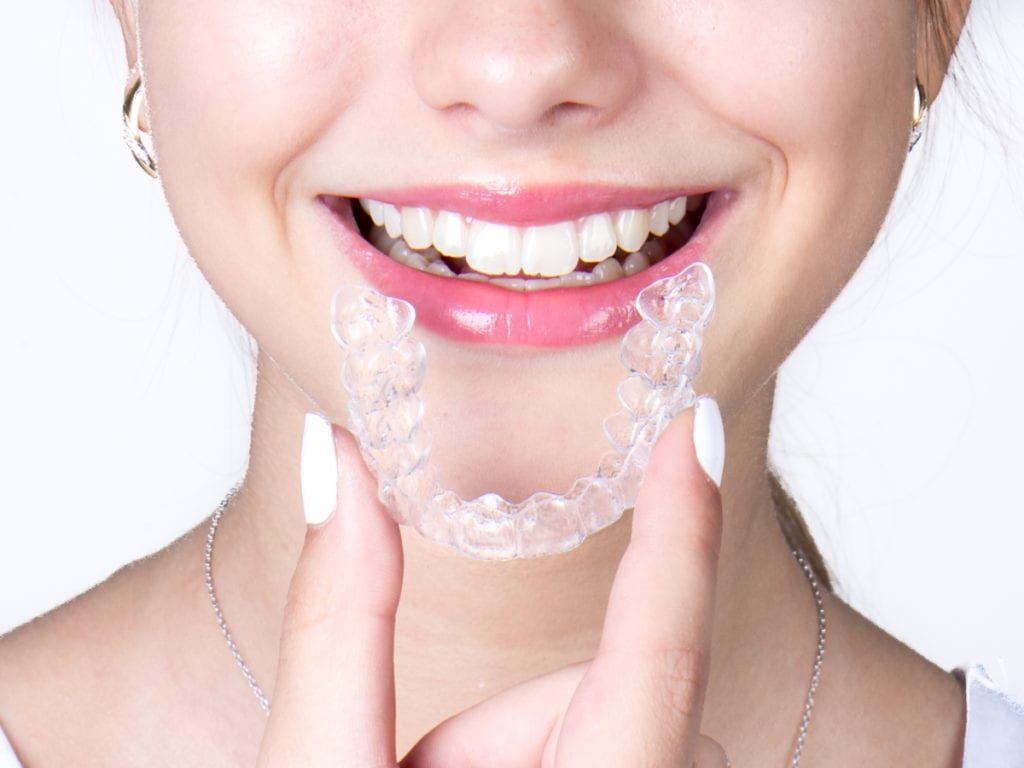
Invisalign can straighten teeth within 9 to 24 months when applied properly, and in some cases, some orthodontic treatment plans will attach a raised button to the teeth to give them more traction when they move into position.
With Invisalign aligners, you will need to take some extra precautions to allow them to work. Invisalign attachments can stain easily, and hot drinks such as tea and coffee can warp and stain the plastic. Drink cold water, brush your teeth after every meal, and it’s recommended that you don’t get any whitening treatments during this treatment plan. With Invisalign, it takes discipline and commitment to go through the treatment plan completely; that’s why we’re here to help.
Candidates can qualify for Invisalign aligners if they have crooked teeth, gapping teeth, and have overbites, underbites, and open bites. For more severe cases, such as crossbites, malocclusions, and other flaws, Invisalign will lack the necessary components needed to treat the teeth properly. In more severe cases, metal or clear braces will provide the necessary appliances needed to fix those issues.
Have questions about Invisalign? Contact us at either of our various locations and schedule an appointment today for a free consultation.
Temporomandibular Joint Disorder, or TMJ Disorder, causes jaw and bite alignment malfunctions, and refers to conditions that affect the Temporomandibular Joint, facial nerves, and jaw muscles. TMJ pain can be triggered by opening and closing the mouth, side-motion jaw movements, and twisting of the jaw. As the muscles and ligaments attempt to hold the jaw in position, those muscles can get damaged or stretched, moving the lower jaw out of alignment.
A TMJ disorder can produce a number of symptoms, including:

Orthodontic treatment for TMJ Disorder will depend on many individual factors, such as the overall health of the patient, tolerances for medication, previous history of mouth appliances, and the extend of the disorder. At Burns Orthodontics, we offer several treatment options, which vary from patient to patient, and will all be designed specifically for the patient in mind. Some of the orthodontic treatment options we present include:
Stress management techniques – Physical therapy that focuses on joint movement and reducing muscle stiffness can alleviate stress on the joints and jawbones. Manual therapy procedures can help reduce the “locking” of the jaw and restore motion surrounding the joint. We also offer soft tissue techniques, using the hands to work into the joints to remove pressure and decrease the symptoms of TMJ disorder.
Orthodontic appliances – Braces, splints, and night guards can help reduce the effects of tooth grinding, help realign the teeth and jaw to the proper position, and relieve jaw pain. Nightguards ease the pressure on the temporomandibular joint, enabling it to move back into position over time, and lessening the impact placed on the joint overall. Occlusal splints treat TMJ disorder by controlling bite elevation and have to be worn every day for an expended time for the treatment to work properly. Braces offer not only teeth alignment, but can help treat bite issues associated with TMJ disorders, and reduce the amount of teeth grinding, jaw clenching, and jaw pain over time.
Important Note: Design functions for our orthodontic appliances will vary depending on the severity of the TMJ disorder, the patient’s dental history, and joint structure. For some of our appliances, we may require additional appliances, such as the maxilla or mandible, to ease the treatment process and gradually move the disc placement back into position.
Currently, we do not offer TMJ surgery, but if your dentist recommends surgery and we have properly diagnosed your TMJ condition, we can refer you to an oral and maxillofacial surgeon, especially if our treatment plans do not provide relief.
If you suffer from any of these TMJ conditions above, you should consult a medical professional. If left untreated, it can lead to jaw locking, constant pain, bruxism, malnutrition, and insomnia.
To find out if your insurance covers TMJ treatment, you will need to contact your insurer to learn about your coverage policy.
If you have any medical concerns about our TMJ therapy treatments, then don’t hesitate to call us at any one of our multiple office locations.
Functional Jaw Orthopedics, also called FJO, aim to treat crowded teeth and jaw correction without the removal of teeth. By ensuring that the jaw is in the correct position and size, it can create health benefits for growing children. While traditional orthodontics treats a child’s jaw by the time it stops growing, FJO focuses on the jaw and facial development that guides the facial structure to prevent more serious problems in the future.
The traditional route for many orthodontists would be to refer patients for treatment until their permanent teeth have begun to erupt at age 7, which is recommended by the American Association of Orthodontists. FJO treatment, however, works to prevent the removal of teeth by focusing on the child’s method of breathing, the size of their palate, and overall facial balance. This modern approach that our doctors at Burns Orthodontics practice all have ample experience in, and we practice FJO treatment in three, easy steps:
1. Breaking Habits – These habits can include thumb-sucking, tongue thrusts, and correcting crossbites. By treating these symptoms early, we can allow normal facial growth to continue to develop until age seven, where we diagnose and analyze the progress of the child’s development.
2. Guiding Growth – The second phase works to guide the growth of the jawbone and teeth into more favorable positions. We enact this step at around age seven through nine and look for abnormal development issues, such as a narrow upper jaw and crooked teeth.
3. Moving Teeth – The last phase focuses on moving the teeth once they’ve all erupted. This phase is what many would associate with orthodontics, and generally involves the movement of teeth through applications such as braces, aligners, and enhancers.
Notice: Not all children will require these phases of treatment, but if there’s a facial imbalance and there’s not enough room for the teeth to erupt, then early treatment can help correct these misalignments. Typically, those who require teeth removable have not had FJO treatment, and while the extraction of teeth can improve facial imbalances, FJO treatment can also help as a preventative measure.

FJO treatment can improve the position of the jaw, causing fewer headaches. Widening the palate with an expansion device can reduce and remove common symptoms associated with obstructed nasal breathing, including dark circles under the eyes, dry lips, and open mouth posture. Improving the jaw can change the way the tonsils and nasal septums form, which can improve sleep quality and prevent sleep apnea in the future. Those with improved jaw function also tend to experience a better quality of life, gaining more attention in school, work, and other life activities.
While FJO treatment is not a universal standard among orthodontists, we offer a growing demand for early treatment plans for all of our patients. We hope to give your child the most benefits when they arrive at any one of our offices. If you have any concerns regarding our orthodontic services, please contact us at any one of our locations and schedule an appointment with us today!
Facial and jaw growth orthopedics, also called dentofacial orthopedics, works to guide facial development during childhood by reestablishing nasal breathing with growth guidance appliances. Children are seen as the best candidates for dentofacial orthopedic therapy because facial growth and development occur most during childhood. When combined with orthodontic treatment, it’s commonly referred to as Phase-One treatment. Dentofacial orthopedics can also treat adults, but the process will involve surgical procedures to adjust the bite alignment and jaw bone before applying the appliances.
With our specialty orthodontists at Burns Orthodontics, we’ll outline our initial steps towards a proper jaw alignment, so you can become more educated about our services and what we can do for you and your family.
Oral positions, such as the lips, tongue, and palate, are responsible for the growth and development of the jaw and face. When the tongue and jaw don’t rest in the right position, the mid-face will not grow properly and will cause symptoms such as:
These oral symptoms can lead to long-term health issues, such as TMJ issues, obstructive sleep apnea, and poor head posture.
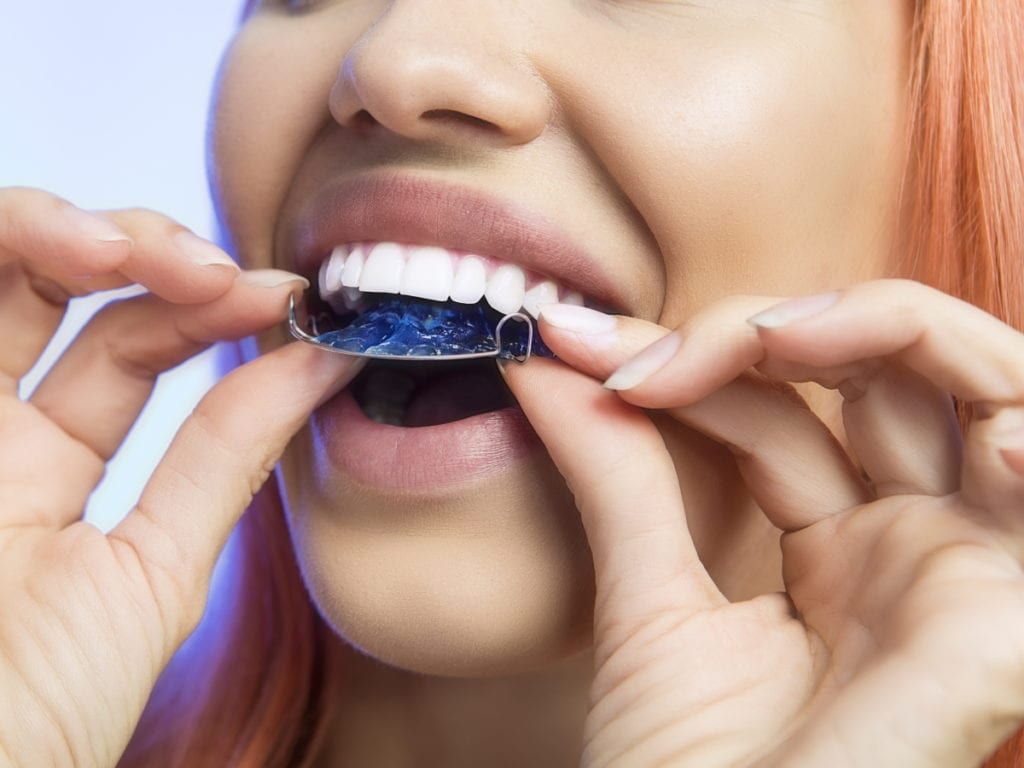
To reestablish proper oral proper, our orthodontists will focus on steps that working with growth guidance appliances, an orthopedic appliance that stimulates bone growth and corrects facial anomalies. Our growth appliances focus on scaffolding the effects of the tongue resting on the palette and stimulates the palate to produce more bone in wider dimensions. Some of the appliances we offer for such purposes include:
Headgears – As the most common appliance used, headgear works by applying pressure to the upper teeth and jawbones to guide, form, and correct upper jaw growth. It also aligns upper teeth and is worn between eight and 12 hours. We also offer removable headgear, with devices affixed to the molars to hold the lower jaw forward.
Bionators – A bionator holds the jaw forward and guides the teeth to perfect alignment. It’s removable and enables the upper and lower jaws to grow proportionally.
Palate expanders – These devices push the cartilage in the upper jaw to widen the maxilla, allowing the upper jaw to hold the teeth.
No, but your dentist will be able to determine how healthy your gums, teeth, and jawbones are for orthodontic treatment. If you have a child, you should have your child see an orthodontist by age 7.
For children, it lasts between six to 12 months. For adults, it may last longer, depending on the severity of the jaw positions and growth directions.
At Burns Orthodontics, we focus on giving our patients comprehensive treatment plans for dentofacial orthopedic appliances. Call us today at any of our multiple locations to learn about our services.
Orthodontics can help treat many medical issues such as facial pain, TMJ, speech impairments, and chronic headaches, but when it comes to beautiful smiles, orthodontics provides cosmetic solutions that are safe, sound, and healthy for long term dental care. Our orthodontists believe that beauty starts bone-deep – meaning that our appliances such as braces and aligners have the outstanding capability to reconstruct the mouth and teeth without permanent damage and provide lasting outcomes that last a lifetime.
Cosmetic dentistry concentrates on achieving perfect smiles through immediate treatment options, such as porcelain veneers, teeth whitening treatments, dental implants, and dentures. All of these options can help fix misaligned, stained teeth, and help repair any damage done to teeth that appliances cannot. However, orthodontics focuses on the mechanical aspects of dentistry, giving patients appliances and devices that work to align teeth over time rather than with immediate solutions. At Burns Orthodontics, we provide our patients with alignment treatment plans that are sustainable, durable, and demonstrate positive results.
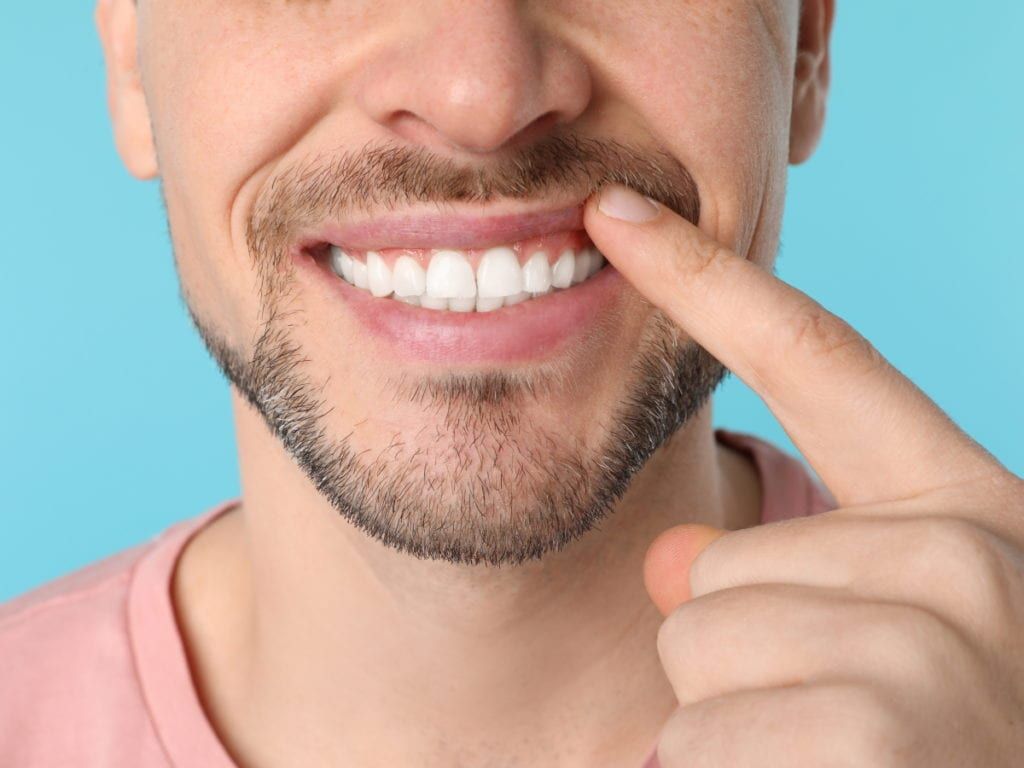
Clear Braces – Clear, ceramic braces have similar traits to traditional metal braces, but without the appearance. At our orthodontics locations, our orthodontists will attach clear or tooth-colored brackets to each of your teeth, and then connect them to a highly flexible, thin wire. The wire will put light pressure on the wire, and will gradually move the teeth into position. The natural-looking brackets will be able to correct the same issues as traditional metal braces but will offer a more discreet feel that’s barely noticeable.
Invisalign – Invisalign therapy involves using clear, plastic aligners that will gently shift the teeth into position over time. These aligners are practically invisible, can be removed during eating and brushing sessions, and don’t contain any wires or brackets. Because this treatment’s non-invasive, it can correct various orthodontic issues ranging from misalignments to overbites.
Colorful traditional braces – Metal braces, while they may not be the most attractive option for cosmetic dentistry, can be quite fun to design. If you choose traditional braces, we offer a wide range of metal colors to choose from. Pink, blue, green, red, we provide numerous colors that you can choose from to have a colorful time while your teeth align back into position.
Other appliances – Our patients don’t just come in with misaligned teeth – in more severe cases, a misaligned jaw due to injury or genetics can cause a severe impact on a person’s well-being and health. Our appliances, such as palatal expanders and jaw repositioning appliances, can provide extensive cosmetic solutions as well as health solutions for a happy smile.
If you desire to straighten your smile, our orthodontists will give you the discreet, compassionate space you need to discuss your options. To schedule your free consultation with Burns Orthodontics, call us at any one of our various locations, or fill out our HIPAA contact us form, and we’ll help you get started on your way to a perfect smile.
Clear braces offer a less visible cosmetic alternative to metal braces. They’re an excellent option for those who wish to have braces but want a less noticeable alternative, especially for those who cannot qualify for Invisalign. Our clear braces are made with clear brackets and minimal wires that adhere to the teeth and are highly resistant to staining and breakage. Discover how clear braces may be the answer for you.
Clear braces maintain the cosmetic aesthetic of clean, white teeth without the appearance of metal braces. Traditional metal braces can be noticeable with their metal brackets and wires. Clear braces work to remove the bulk but maintain the effectiveness of braces by predicting tooth movement and ensuring that the braces straighten teeth over time. Our braces don’t also treat misaligned teeth; they also handle a wide range of problems, including crowded teeth, malocclusion, and wide spacing in teeth.
Clear braces use side braces attached to memory wire, which reduces the number of pressure patients would generally feel from the elastic bands with metal braces. The sliding mechanism gradually tightens the teeth as they align into position, and patients typically experience less discomfort than with metal braces. What allows our braces to appear clear is the ceramic brackets. These brackets are made by matching the color of your tooth enamel, and when applied, blend in with the teeth for a more natural look. At Burns Orthodontics, our team of second-generation dentists and orthodontists can help achieve the look you desire with our clear braces treatment plans.

Clear braces and Invisalign braces are not the same. Invisalign braces don’t include any metal brackets or wires and are made of flexible plastic. Invisalign braces offer a discreet system for aligning teeth and provide corrections for overbites, under-bites, crowded teeth, and gaping teeth. However, depending on the severity of those conditions, Invisalign does not always work. Clear braces offer the same benefits and offer more variety for patients to receive straighter teeth.
To qualify for clear braces, your dentist will need to determine whether or not you need teeth adjustments. You might need braces if:
These are a few examples of what many people experience when they have misaligned teeth, as these conditions can occur depending on the severity of your teeth case, and how your teeth have developed over time. Contact us today to qualify for clear braces!
Clear braces can cost more to make than metal braces because they’re made of more expensive materials. However, clear braces offer numerous benefits to metal braces and Invisalign braces because they have the best of both worlds. Feel free to contact Burns Orthodontics at any one of our various locations if you have any questions regarding clear braces.
Orthodontic treatments help to restore proper oral function, fixing issues such as overbites, under-bites, crooked teeth, and jaw misalignment. The American Association of Orthodontics recommends that children receive an orthodontic evaluation at age seven. By this time, children will have received an initial dental check-up by their primary pediatric dentist. At age seven, the first adult or permanent teeth will come in. During this time, it’s crucial for a child to see their dentist check up on their teeth because their dental development can be highly impacted at this stage.
Our orthodontists at Burns Orthodontics are highly prepared and capable of diagnosing and treating early dental problems with our interceptive child treatments. We focus on giving our patients, big and small, a safe, compassionate, and authentic experience when they arrive at any one of our offices. Our interceptive child treatments work through a diligent process, as we always make sure to maintain and track the progress of all children who enter.
Our child interceptive treatments aim to regulate the width of dental bone arches and provide enough space for the permanent teeth to arrive correctly. We prescribe interceptive treatments for these common oral problems, which include:
Protruding teeth – These teeth can protrude from habits such as sucking the thumb. Thumb sucking, if not disciplined, can lead to a risk of tooth injury or tooth loss.
Underbites and overbites – When the upper or lower teeth protrude, it can cause difficulties chewing, speech impediments, tight muscles, and higher chances of gum disease.
Crossbites – Crossbites can cause asymmetrical jaw growth, gum recessions, and excessive tooth wear if left untreated. Treatments such as braces and palette enhancers can help fix the crossbites and reform the mouth back to health.
Late loss of baby teeth – If baby teeth are still present, then it can become more difficult to correct at a later stage.
During the early treatment phase, our orthodontists will work with you and your children to prescribe the best treatment options. Our selection of braces, headgear, and aligners can help remove many of these common issues and diminish their effects in the future. We will also work to provide useful tips for removing bad habits, such as thumb sucking and poor oral hygiene.
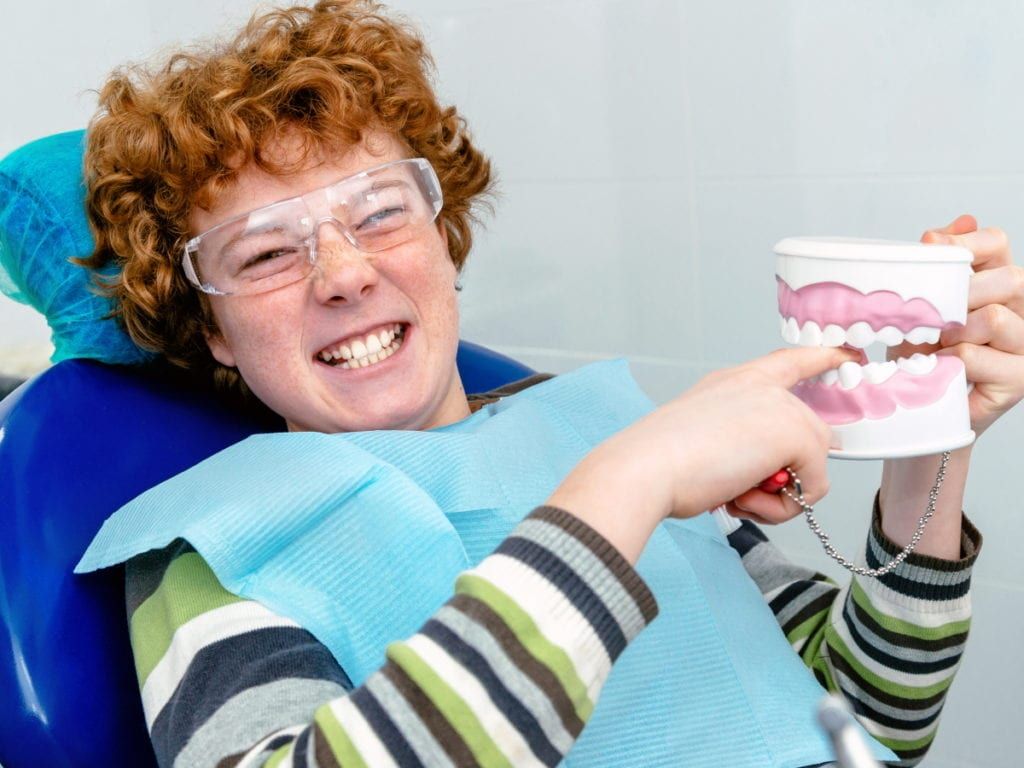
Child Interceptive Treatments provide numerous benefits for your child, including:
Have questions about our treatment options? Reach out to us! Burns Orthodontics serves the Mt. Lebanon, Waynesburg, and McMurray areas, and has a wide team of orthodontists here to help you and your child achieve a beautiful smile because we focus on family first. Contact us at any of our various locations by phone or email, and schedule an appointment today for a free consultation.
Orthodontics treatments, such as metal braces, clear braces, and Invisalign, can benefit people of all ages and give them beautiful, perfectly-aligned teeth that will last for generations. However, many people tend to associate orthodontic appliances with children and young teens, and most often not, adults can tend to believe that they’re too old for proper treatment. We at Burns Orthodontics believe that’s not the case; many studies have shown that orthodontic treatments have numerous benefits to adults. That’s why our orthodontists offer specialized treatment plans for adults who wish to realign their teeth and gain a beautiful smile in the process.
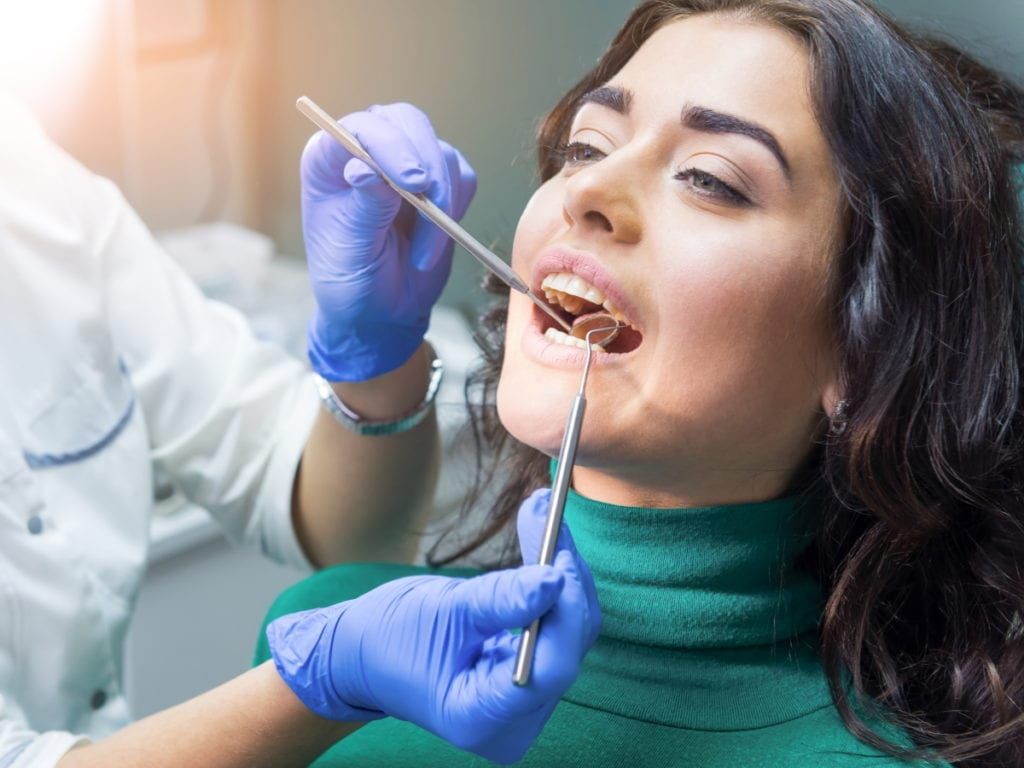
Healthy teeth can move and shift at any age, and many of our orthodontic treatments can minimize the effects of those changes, and reverse them overtime. Orthodontists accurately diagnose, prevent, and treat facial irregularities, hence why we offer many treatment plans, including:
Braces – Braces are the most common fixed appliances, consisting of bands, wires, and brackets, to place pressure on the teeth over time and gradually move them to the proper position. Our options for braces include metal braces and clear braces. These can be applied with select fixed appliances for controlling the tongue position.
Aligners – A removable alternative to braces, aligners work to align and position teeth back into place without the permanent side effects that traditional braces bring. Invisalign’s our most popular choice because it allows patients the freedom to align their teeth without the discomfort of regular braces.
Jaw Repositioning Appliances – Jaw repositioning appliances, also called splints, these appliances are worn either on the top or lower jawline to train the jaw to close in a better position. These appliances are used for TMJ or temporomandibular disorders.
Palatal Expanders – These appliances widen the arch of the upper jaw, fitting over the roof of the mouth. It applies pressure through a plastic plate, which forces the roof of the mouth to open lengthwise. Palatal expanders work to apply outward pressure to widen the palatal area and realign the mouth and teeth to a proper position.
Adult specialized treatment focuses specifically on the dental and jaw bone effects that many adults experience, but don’t treat. At Burns Orthodontics, we will focus on giving you the most comprehensive care through our consultations and regular supervision. Contact us today at any of our various locations to get a free consultation.
Orthodontic treatment depends entirely on the type of treatment you need. Before any treatment begins, our orthodontists will gladly speak with you about the costs and payment plans we accept before any procedures.
During your consultation, our orthodontists at Burns Orthodontics will determine which treatment plan is right for you. The cost of your orthodontics treatment will depend on many factors, including the severity and complexity of the problems you experience. We offer many payment and insurance plans and have the most comprehensive orthodontic care throughout the McMurray, Waynesburg, and Mt. Lebanon areas.